
Market vs. Home Desi Eggs
In the world of eggs, the debate between market-sourced and home-farmed desi eggs is gaining momentum. With a growing interest in organic and locally produced foods, understanding the differences between these two methods of egg production is crucial. This article delves deep into the intricacies of market and home desi egg farming, exploring various egg farming styles, and providing insights to help consumers make informed choices.
Understanding Desi Eggs: Term in 2024
Every Brown know or sale as Desi egg, its become Buzz word for Brown Egg Sale.
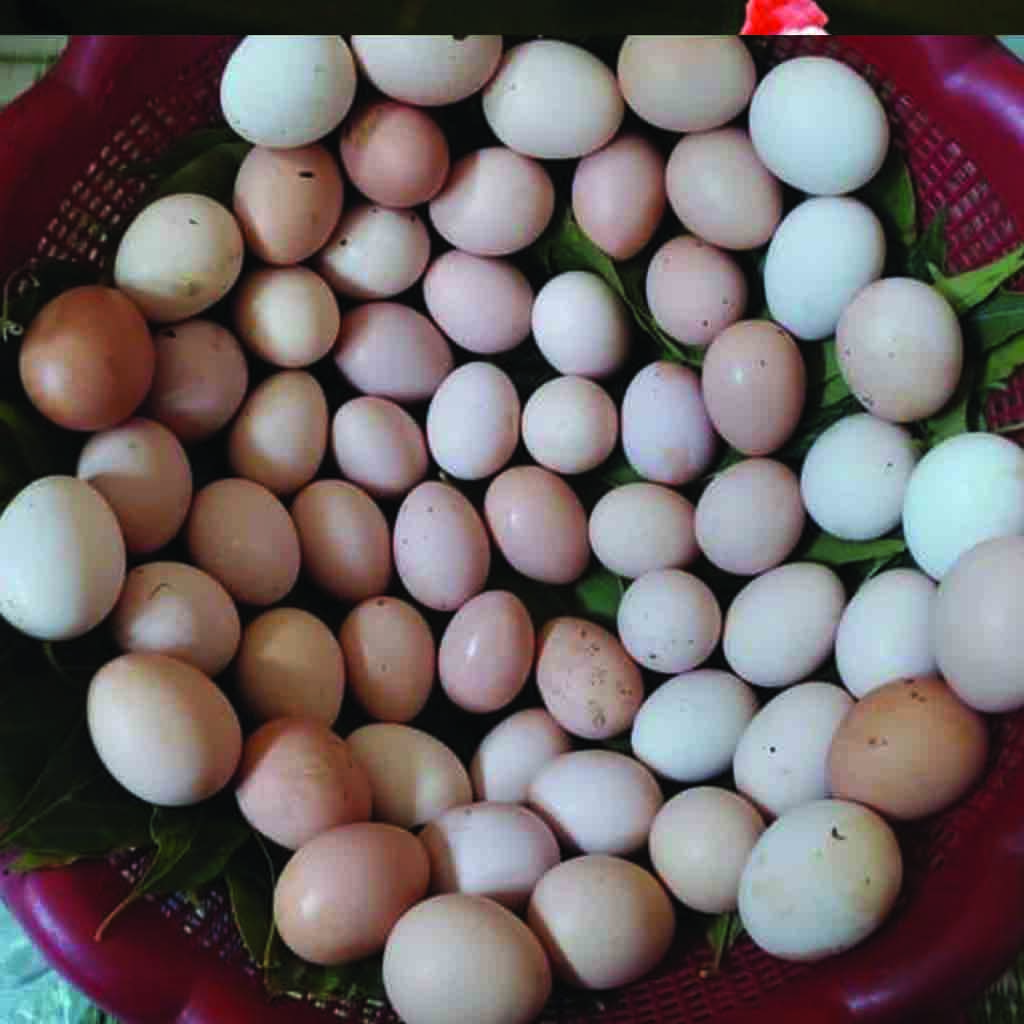
Brown Eggs
Brown eggs are produced by hens that have a specific genetic trait, resulting in a brown shell.
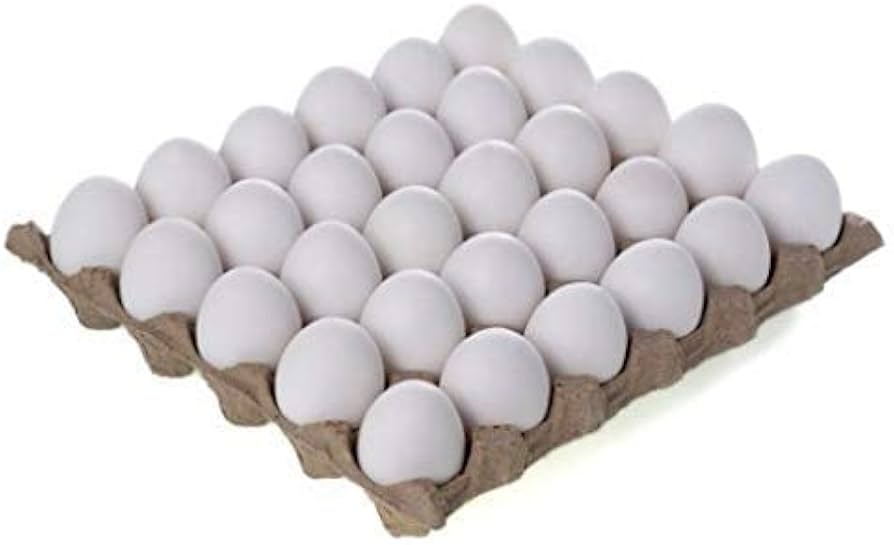
White Eggs
White eggs come from hens with a different genetic background that produces white eggshells.
How to Determine Which Egg is Better
The quality of eggs can often be judged by the hen farming method.
Not from Egg Shell color or yolk color.
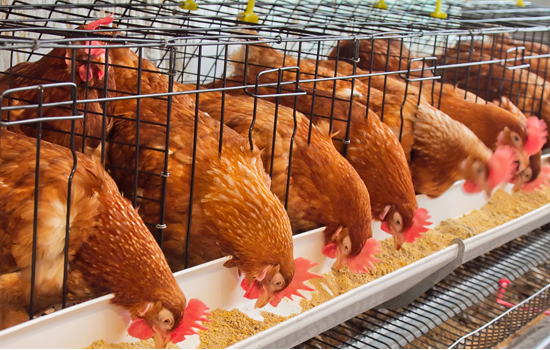
Traditional Methods
Hens are provided with 100% feed, which may include a mix of grains and supplements.
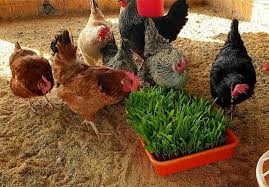
Organic Farming
- Organic Feed: Hens are fed organic grains and supplements, free from synthetic chemicals or GMOs.
- No Antibiotics or Hormones: Organic farming avoids the use of antibiotics and growth hormones.
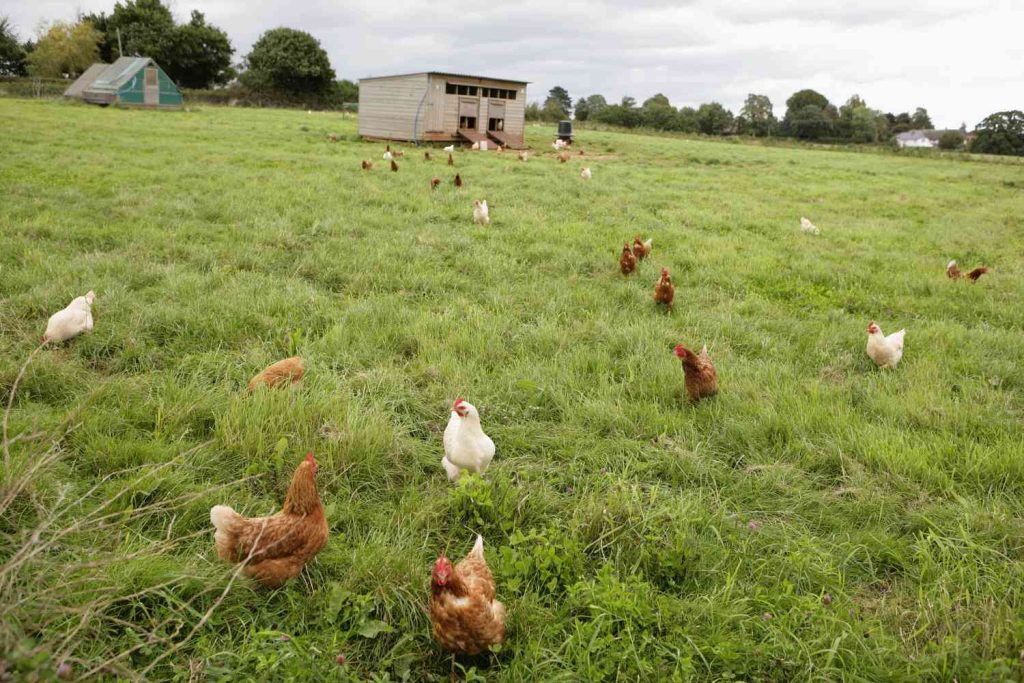
Organic+ Free-Range Area
- Organic Diet: Hens are fed an organic diet, similar to traditional organic farming.
- Free-Range Access: Hens have access to outdoor spaces where they can forage and roam freely.
- Natural Behaviors: This method supports natural hen behaviors, contributing to better overall health and egg quality.
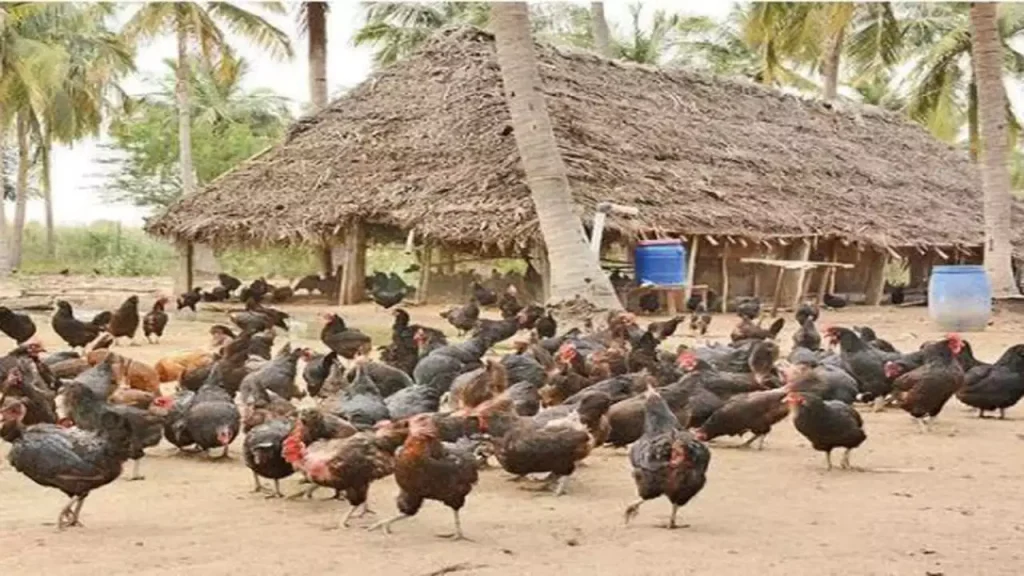
Desi Farming
Cant be possible on large scale
- Local Breeds: Hens are typically local breeds known for their adaptability and unique egg characteristics.
- Minimal Intervention: Desi farming emphasizes low-maintenance practices and minimal human intervention.
- Traditional Methods: Hens are raised in small-scale, traditional settings with open access to outdoor areas.