How Environment Impacts Egg Quality: Pure Desi vs Cage Eggs
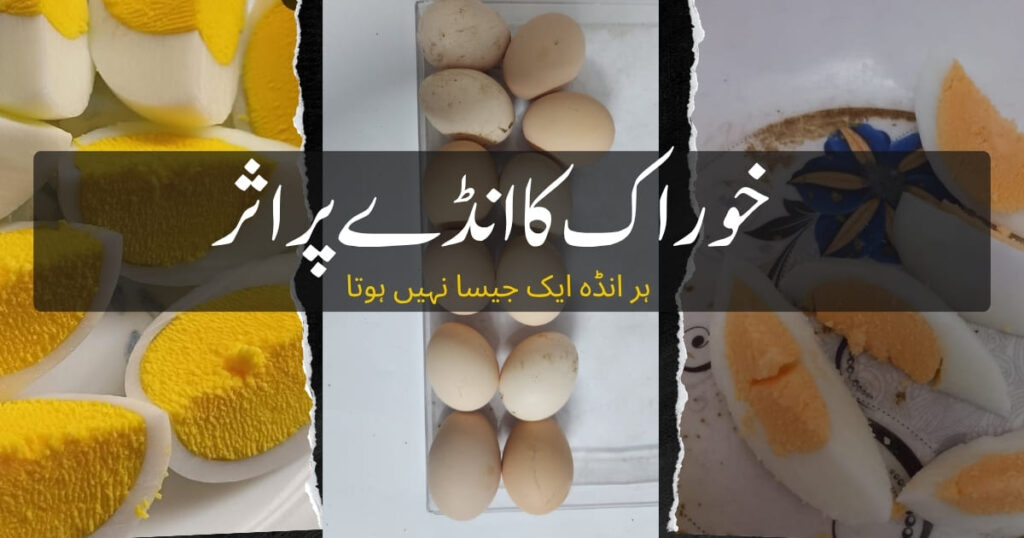
The space hens live in, the food they eat, and the sunlight they see directly change the eggs you eat — taste, nutrition, and yolk color included.
Disclaimer – Click to expand
This information is based on our personal experience and insights gathered from various trusted sources and real-time exposure working with small- to medium-scale farms across Pakistan. Our purpose is to share this knowledge purely for educational and awareness-building — not to criticize or discredit any specific farming method.
Each system has its own context, merits, and challenges, depending on scale, environment, and goals. We believe that by understanding how environment shapes egg quality, consumers can make more informed choices based on what matters most to them.
Why Environment Shapes Egg Quality: The Science Explained
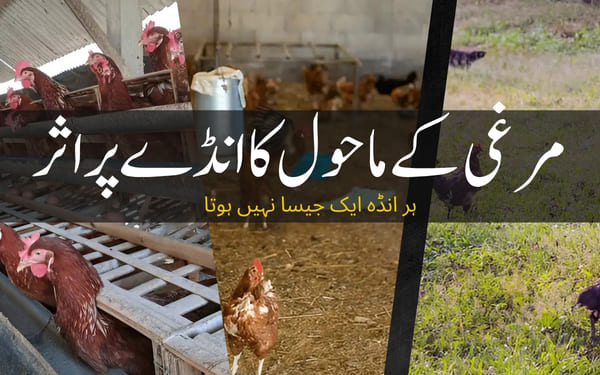
A hen is not a machine. She doesn't produce eggs the same way a factory produces widgets. Every aspect of her environment — space, light, air, food, movement — directly shapes the egg.
What Makes an Egg Great?
Six factors shape every egg — the longer the bar, the bigger the impact.
See the Real Difference: 4 Farming Styles Compared
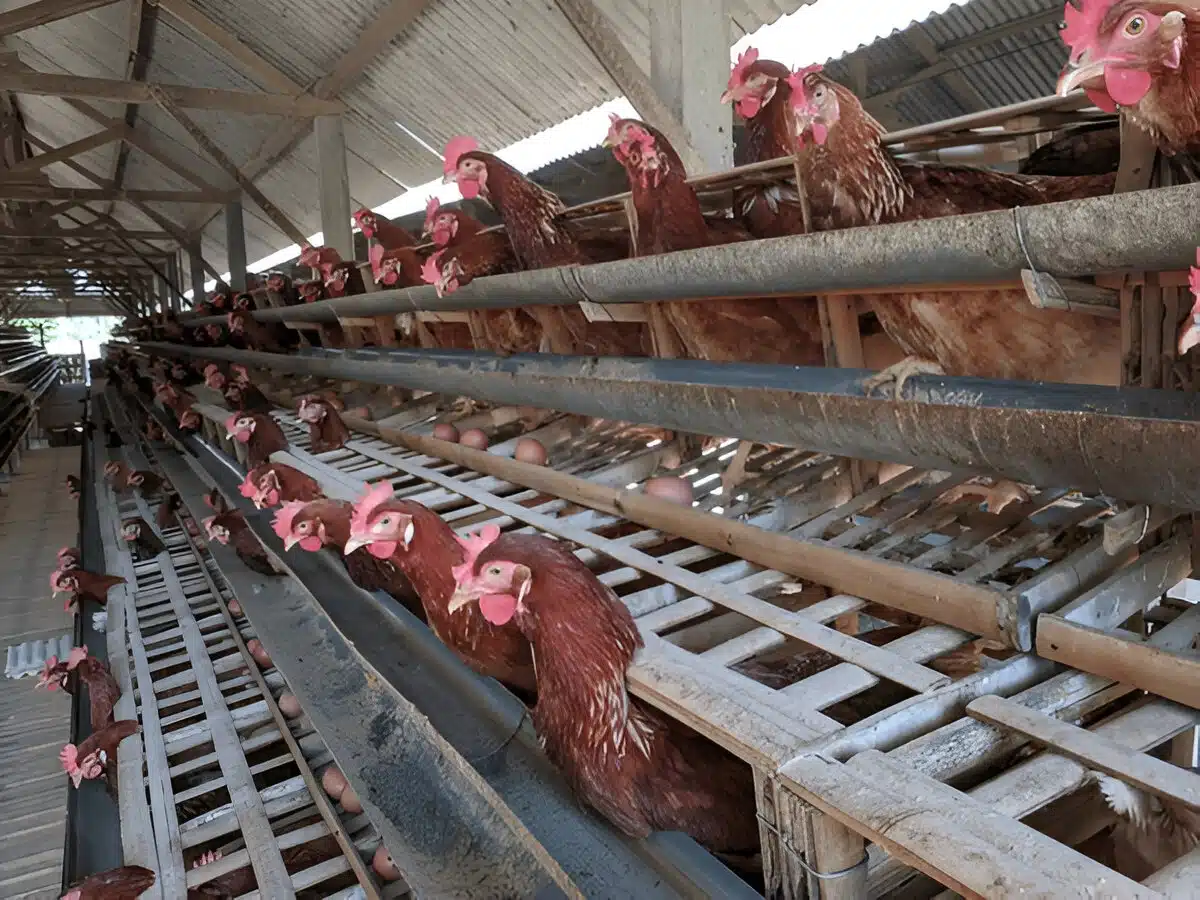
Cage Eggs: Low Nutrition, Pale Yolk, Mass-Produced
Confined, mass-produced
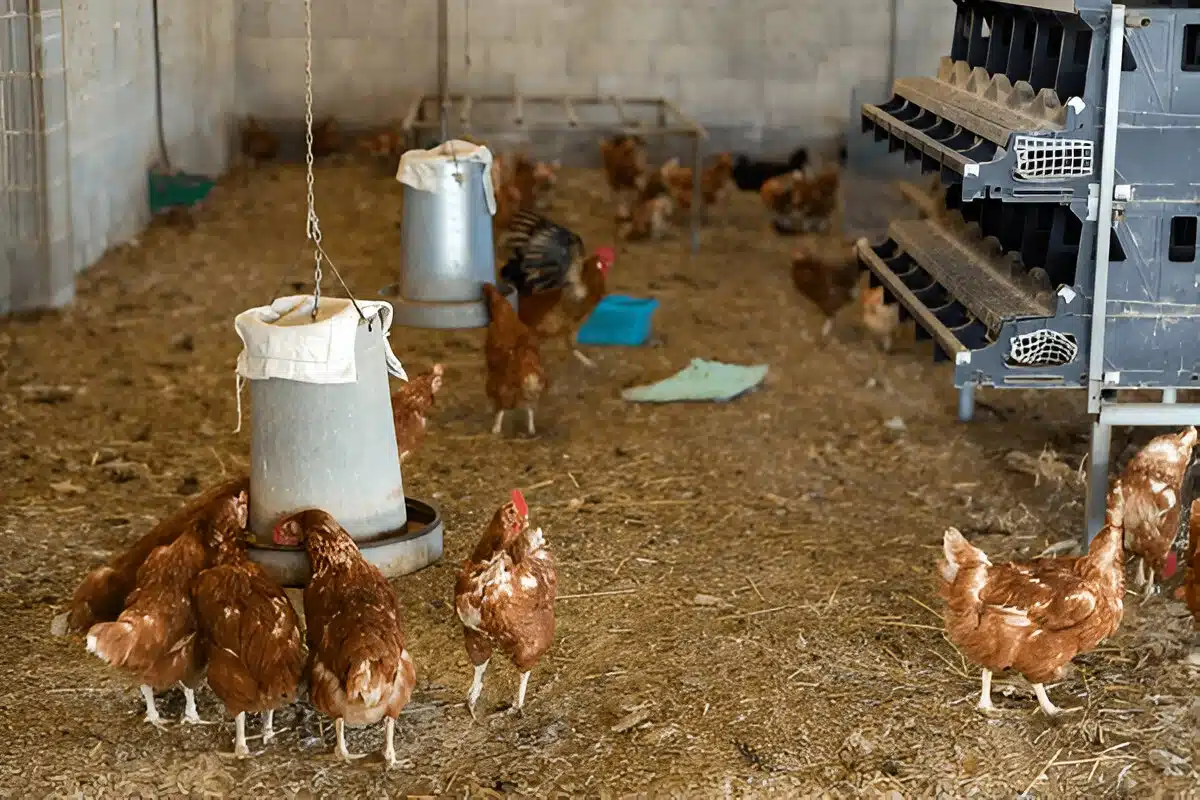
Barn-Laid Eggs: Indoor Raised, Better Than Cage
Indoor freedom, controlled
Free-Range Eggs: Outdoor Access, High Nutrition, Premium Price
Daytime outdoor, premium
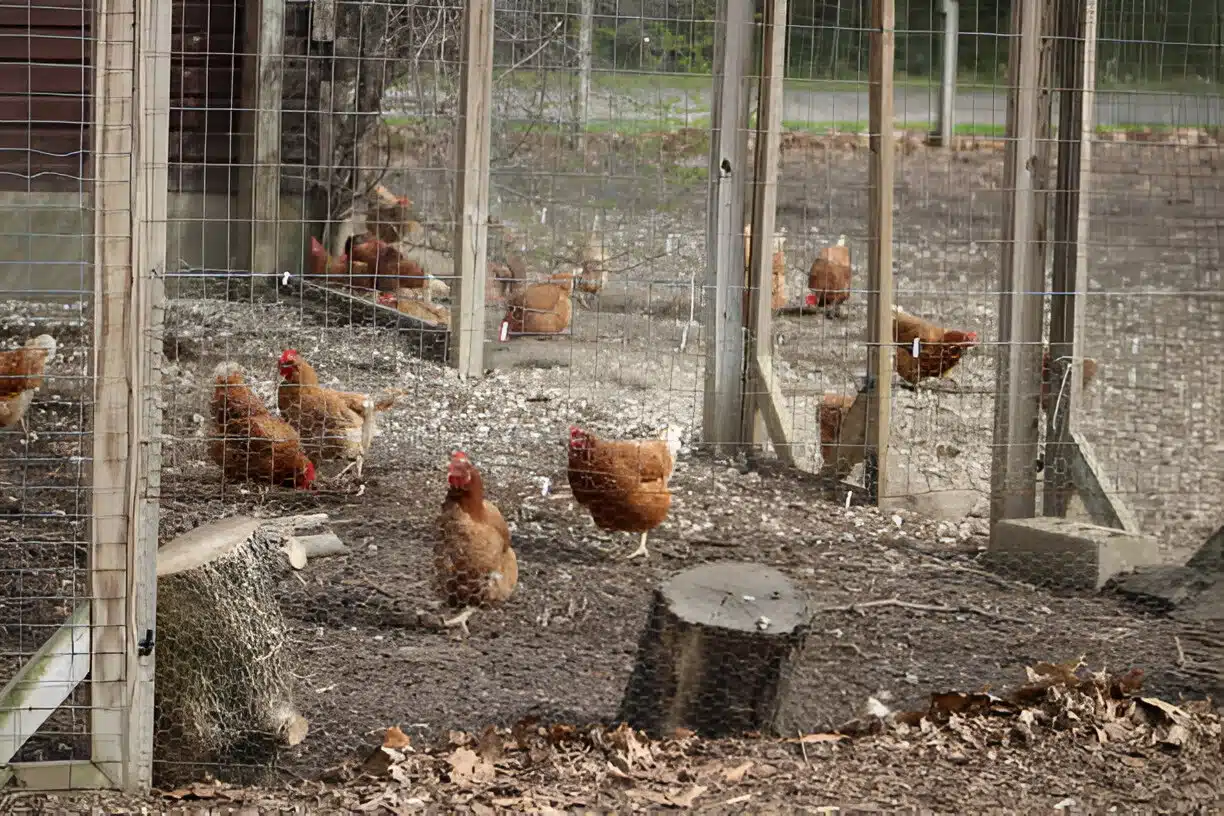
Pure Desi Eggs: Pasture-Raised, Village-Sourced, Highest Quality
24/7 outdoor, village-sourced
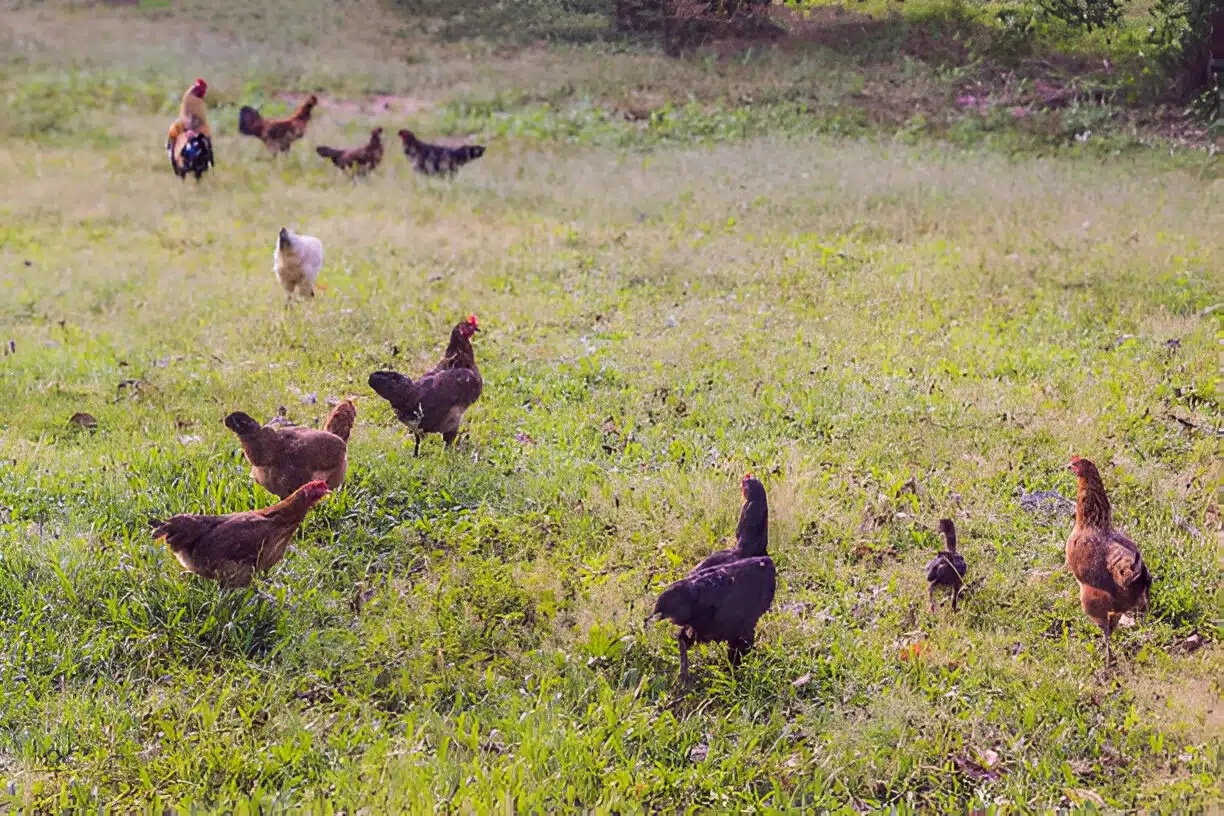
Pure Desi vs Omega-3 Eggs: What You Should Actually Know
Orange yolk doesn't automatically mean pure desi eggs. Many commercial eggs are dyed orange or supplemented with omega-3. The real difference is environment:
Omega-3 eggs: High in omega-3 (supplemented), but hens could be caged or stressed.
Pure desi eggs: High nutrition FROM natural living — pasture, sunlight, stress-free environment, natural food. The entire system creates the quality, not just supplements.
Order Fresh Pure Desi Eggs Online in Lahore